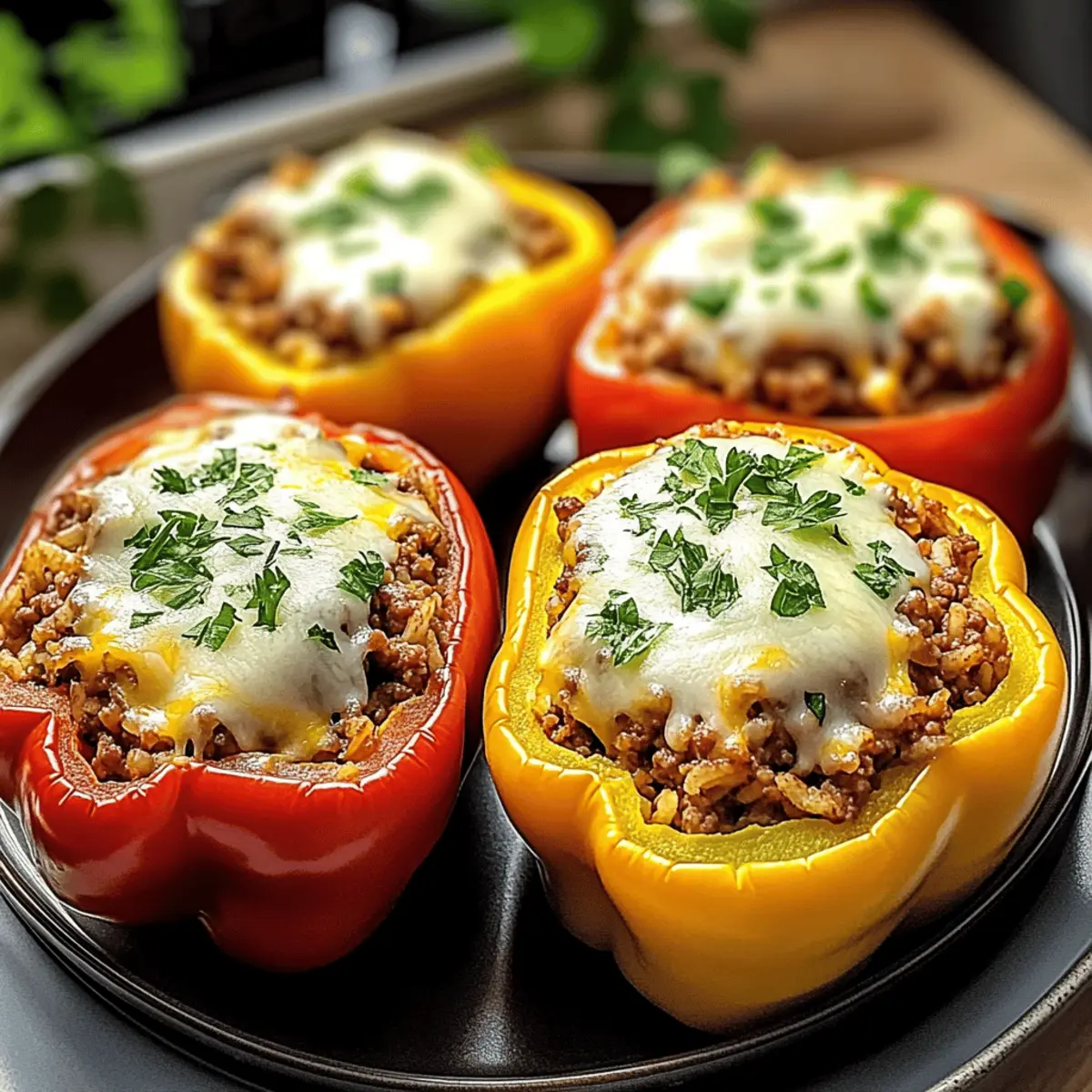
The Quest for Perfect Stuffed Peppers: Unlocking Tender, Flavorful Excellence
Ah,
stuffed peppers. A dish that evokes warmth, comfort, and hearty satisfaction for many, including even royalty like Princess Diana, who reportedly craved them several times a week. Yet, for all their universal appeal, achieving that ideal balance of tender pepper and perfectly cooked, savory filling can often feel like a culinary tightrope walk. Will the peppers be too firm, or worse, turn into a soggy mess? Will the filling be dry, or the grains undercooked?
The good news is, you're not alone in these kitchen conundrums. Many home cooks grapple with perfecting this beloved classic. To cut through the guesswork and elevate your homemade
stuffed peppers from good to truly gourmet, we've consulted the wisdom of culinary professionals. We've distilled their invaluable insights into four core chef secrets that promise to transform your dish, ensuring every bite is a tender, flavorful delight. Get ready to unlock the true potential of this timeless meal!
Chef Secret #1: The Power of the Par-Cooked Pepper
Perhaps the most significant and debated secret among home cooks is whether to pre-cook the bell peppers before stuffing and baking. While some recipes confidently declare "no par-boiling needed" – achieving success through careful selection of pepper size or extending baking time in a liquid bath – the resounding consensus among top chefs leans heavily towards a preliminary step. This initial preparation, they argue, is the linchpin for tender, flavorful peppers that hold their shape.
There are a few preferred methods for this crucial par-cooking step:
*
Par-Roasting for Sweetness and Structure: Chef Wallace swears by par-roasting peppers at 400°F (200°C) for about five minutes. This method gently softens the flesh, allows for a more even cook once stuffed, and, if you're lucky, imparts a beautiful hint of char and sweetness. Chef Aronoff Fernandez echoes this, suggesting charring them until just blistered – enough to add a smoky depth and pliability without making them wilt completely. This pre-roasting develops a concentrated flavor and ensures the peppers remain structurally sound, preventing collapse during their final bake.
*
Blanching for Expedited Tenderness: Chef Gannon opts for blanching, briefly plunging the peppers into boiling water until slightly tender. This technique effectively shortens the subsequent oven cooking time, ensuring your meal comes together efficiently while guaranteeing a soft pepper.
*
Support for Success: Regardless of your chosen par-cooking method, one common concern is preventing the peppers from becoming too soft or collapsing under the weight of their filling. Chef Corn offers a brilliant tip: create "foil nests" to secure and support the peppers in the baking dish. Simply form small rings or cups from aluminum foil and nestle each pepper within, keeping them upright and stable throughout the baking process.
By incorporating a par-cooking step, you're not just softening the pepper; you're layering flavor and setting the stage for an impeccably cooked dish. For an in-depth dive into this essential technique, read more about
Stuffed Peppers: Is Par-Cooking Really the Secret to Perfection?
Chef Secret #2: Layering Flavor: Seasoning Inside and Out
A truly memorable dish is built on layers of flavor, and
stuffed peppers are no exception. One common pitfall is focusing solely on seasoning the filling, neglecting the "shell" itself. According to the pros, this is a missed opportunity for maximizing taste.
*
Pepper Prep: Don't Skimp on the Shell: Chef Aronoff Fernandez insists on rubbing the bell pepper halves with extra-virgin olive oil, kosher salt, and freshly ground black pepper before any roasting or baking. This simple step not only helps with browning and tenderness but also coaxes out the pepper's natural sweetness and provides a foundational layer of seasoning that permeates every bite. Don't be shy; ensure the entire interior and exterior of the pepper are lightly coated and seasoned.
*
Filling Philosophy: Season Generously and Thoughtfully: Beyond the peppers, the filling demands equal attention. As Chef Wallace emphasizes, "I will never miss a chance to add layers of flavor and seasonings." This means going beyond just salt and pepper in your ground beef, rice, or vegetable mixture.
*
Aromatics: Start with a sauté of onions, garlic, and perhaps celery or carrots. These create a flavorful base.
*
Herbs and Spices: Fresh herbs like parsley, oregano, or basil, as well as dried spices like paprika, cumin, or even a touch of chili powder, can elevate the filling. Don't underestimate the power of fresh herbs mixed in at the end for brightness.
*
Umami Boosters: A splash of Worcestershire sauce, a spoonful of tomato paste, or even a dash of soy sauce can add depth and complexity to your meat and rice filling.
*
Balance: Consider a touch of acidity (lemon juice, vinegar, or canned diced tomatoes) to cut through richness, especially in a hearty beef and rice mixture, making the overall dish more vibrant.
Remember, a well-seasoned filling is one you'll want to eat straight from the pan – a sure sign it's ready to bring joy to your peppers.
Chef Secret #3: Beyond the Bell: Creative Pepper Choices & Smart Filling Science
While classic green bell peppers are a staple, adventurous chefs encourage thinking outside the box when it comes to your pepper of choice and how you prepare your filling.
*
Explore the Pepper Rainbow: Traditional bell peppers are fantastic, but the culinary world offers a spectrum of options. Chef Aronoff Fernandez favors poblanos for their mild heat and earthy flavor, suggesting they add an intriguing dimension to the dish. Orange bell peppers offer a sweeter, fruitier note, while Hungarian peppers provide another unique profile. A trip to your local farmers market can reveal seasonal, local varieties that add a special touch and support community growers. Experimenting with different peppers allows you to tailor the dish's flavor profile to your preference, from sweet to subtly spicy.
*
The Science of the Filling: Grains and Liquids: How you prepare your filling, particularly when including grains like rice, is crucial for texture. Chef Corn advises thinking of the pepper "like a pot." If you're incorporating raw or partially cooked rice, ensure there's enough cooking liquid *within* the filling itself for the grain to absorb and fully cook. This prevents mushy overcooked rice if you were to fully cook it beforehand, or crunchy undercooked rice if it lacked sufficient moisture in the pepper. For a delicious and simple take on this, check out our
Easy Beef & Rice Stuffed Peppers: Deliciously Simple & No Par-Boil recipe for inspiration.
*
External Moisture Matters: Beyond the filling, the liquid surrounding the peppers in the baking dish plays a vital role. Chef Gannon recommends adding enough liquid – typically broth, tomato sauce, or a combination – to reach approximately one-third of the peppers' height. This external moisture creates a steamy environment, helping to cook the peppers further, prevent drying, and infuse them with additional flavor.
Chef Secret #4: The Art of Texture, Moisture, and Presentation
The final secrets from the pros involve creating a harmonious texture, ensuring optimal moisture, and elevating the visual appeal of your
stuffed peppers. It's about combining all elements for a truly complete and satisfying experience.
*
Balanced Textures within the Filling: A great stuffed pepper filling isn't just about flavor; it's about interesting textures. The "Cooking For My Soul" recipe highlights this beautifully by including not only ground beef and rice but also zucchini and plenty of melty mozzarella. The zucchini adds moisture and a subtle vegetal sweetness, while the mozzarella contributes creaminess and that irresistible cheesy pull. Consider adding other finely diced vegetables like carrots, mushrooms, or corn for varied textures and nutritional boosts. Nuts or breadcrumbs can also add a delightful crunch.
*
Moisture Management: Overly dry fillings are a common complaint. Ensure your filling has enough moisture from sources like cooked vegetables, tomato sauce, or even a touch of broth. The fat from ground beef also contributes significantly. And, as mentioned in Secret #3, the liquid in the baking dish is key to keeping the peppers and filling moist throughout the baking process.
*
Presentation Beyond the Plate: While "getting fancy" might sound intimidating, it can be as simple as a thoughtful garnish. A sprinkle of fresh herbs (like chopped parsley or chives) right before serving adds a pop of color and freshness. If using cheese, ensure it melts beautifully and bubbles enticingly. For a standout presentation, consider how you cut the peppers (vertically for a boat, or across for a "cup") and arrange them in the baking dish. A visually appealing dish truly enhances the dining experience.
Conclusion
From the foundational decision of par-cooking to the nuanced art of seasoning, selecting the right pepper, and crafting a balanced filling, these four chef secrets offer a roadmap to truly exceptional
stuffed peppers. No longer will you battle with undercooked peppers or dry fillings. By embracing these professional insights – whether it's giving your peppers a head start in the oven, layering seasonings with abandon, exploring new pepper varieties, or paying attention to the intricate balance of texture and moisture – you'll transform a simple family dinner into a culinary masterpiece. So, gather your ingredients, put these secrets into practice, and prepare to unlock the tender, flavorful perfection that makes stuffed peppers a beloved classic for generations.